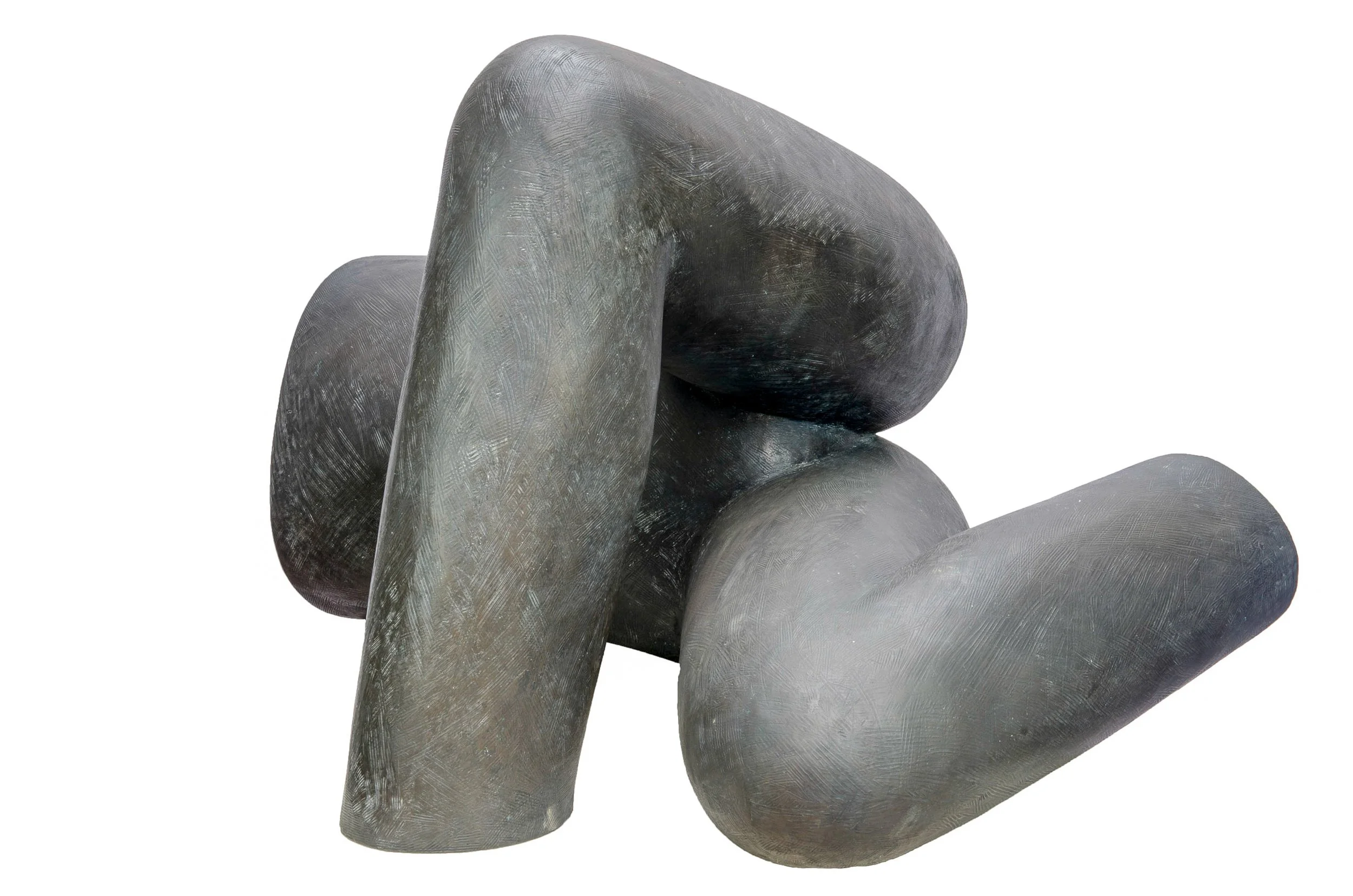
Anna Turning
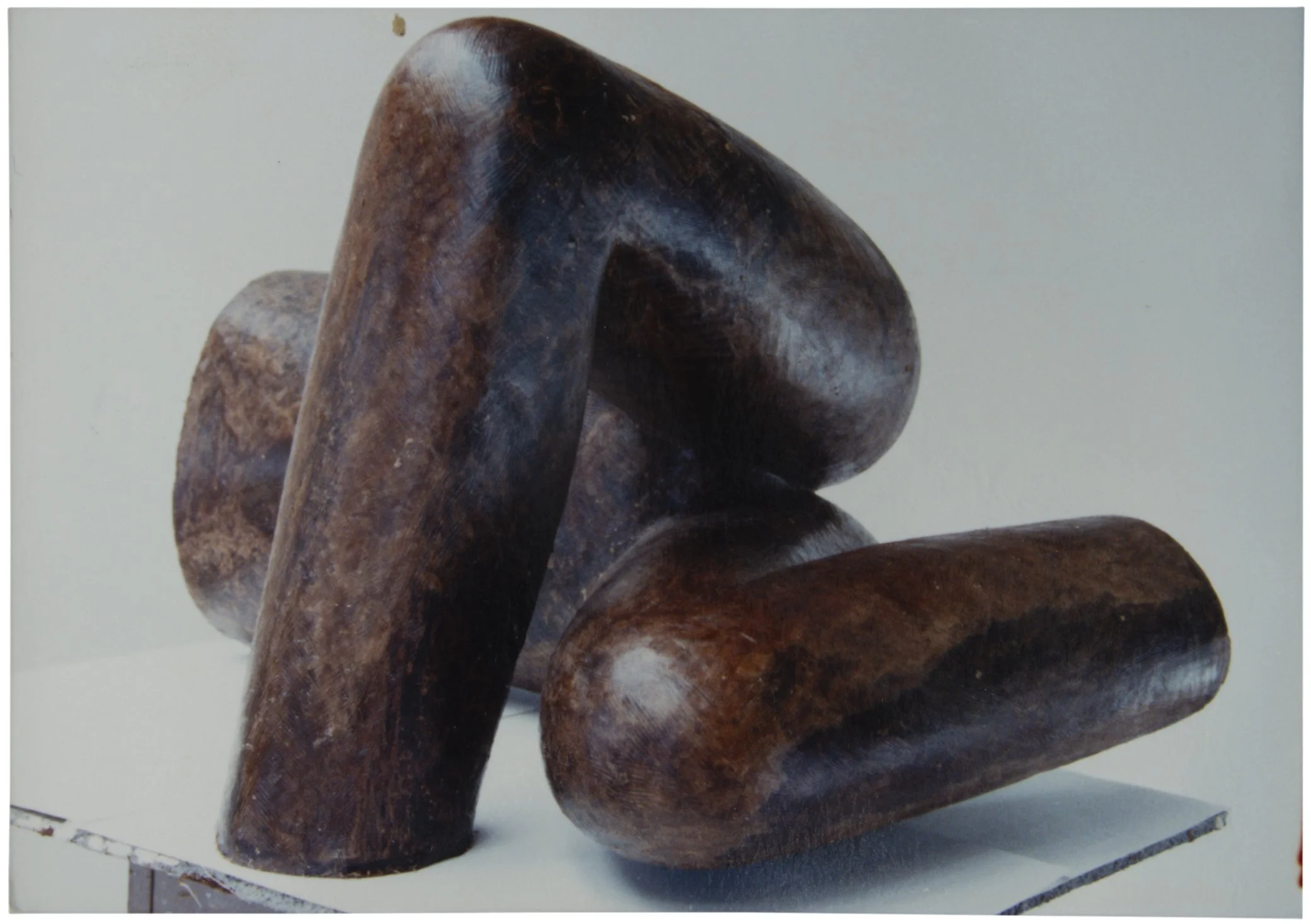
Date: 1989
Medium: Bronze
Dimensions: 23 x 34 x 23 inches
Edition: 2
Related Information
Bronze Caster:
Shidoni Art Foundry and Gallery, Tesuque, New Mexico
Exhibitions:
Paul Harris: Works in Bronze [traveling exhibition], Iannetti-Lanzone Gallery, San Francisco, CA, April 13–May 20, 1989; C. Grimaldis, Gallery, Baltimore, MD, September 6–30, 1989; Galerie Redmann, Berlin, Germany, February 14–March 10, 1990
Fresno Art Museum, CA, [Untitled Solo Exhibition], November 5, 1999–January 2, 2000
Fresno Art Museum, CA, Paul Harris: Bronzes and Drawings, June 10–August 17, 2008
Publications:
Barnes, Caroline. "Blending Art with Life." Los Altos Town Crier (Los Altos, CA), June 27, 2000.
Brown, Theophilus. Paul Harris Sculpture. Seattle: University of Washington Press, 2000.
Remarks:
"...in works like Anna in Love (1987) and Anna Turning (1989), Harris pared down his subject to only a torso and a pair of legs, bent at the knee and spread apart in the former, and gracefully crisscrossed in the latter. The duo is a masterclass of form in bronze, with Harris reducing the body to essentials in an almost minimalistic approach that yet conveys so much. The legs and torsos are nearly abstracted to curvilinear shapes, but retain an inherent tender and humanistic quality. These two works were both cast at the acclaimed Shidoni Foundry in Tesuque, New Mexico..."
—Jessica Holmes, “Uncanny or Erotic: Paul Harris Bronzes,” 2026.
Chronology Excerpt:
"Paul Harris: Works in Bronze opens at the Iannetti-Lanzone Gallery on April 13, 1989 and is on view until May 20. The show travels to the Constantine Grimaldis Gallery in Baltimore where it is shown from September 6 to September 30, 1989, and to the Galerie Redmann in Berlin on view from February 14 to March 120, 1990. The survey includes examples in bronze made by Harris in the 1960s, 1970s, and 1980s, including: Anna in Love (1987), Anna Turning (1989), and Woman Bending Over (1978). In the accompanying exhibition catalogue, critic, and poet Bill Berkson writes that, 'Gravity in Paul Harris’s sculptures is primary and emphatic in ways that nothing else about them is. How the object sits, lays, stands, or leans—the general position that orients you it as a three-dimensional image in the space of a room—makes the first impression. Once oriented, you notice a conundrum: the weighty, tactile presence thus deposited has a resonance and scale not there to be grasped at all, an elusiveness suspended among the familiar shapes borne to view.' He adds, of the 1987 bronze Anna in Love, 'You can see it, walk around it, even touch it, but you can’t get next to the body ostensibly at hand. The form is there, but the female figure is elsewhere, "other" in time. The figment shows you everything and nothing; in fact it is truncated at both ends and hollow like a bell...'"